People often use styling and decorating interchangeably, and I understand why. Both involve furniture, artwork, objects, textiles, and the details that make a space feel complete. From the outside, they can appear almost identical. But over time, I’ve realised they’re driven by two very different intentions. Decorating asks, “What should we add?” Styling asks, “What belongs here?” It might seem like a subtle distinction, but I think it’s one that completely changes the way a space is experienced.
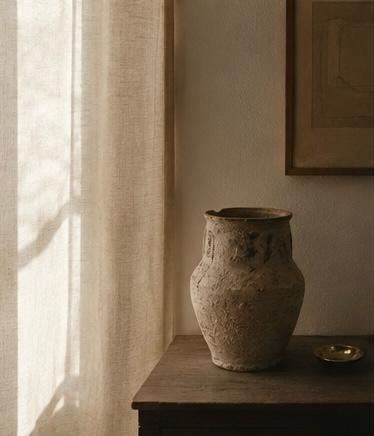
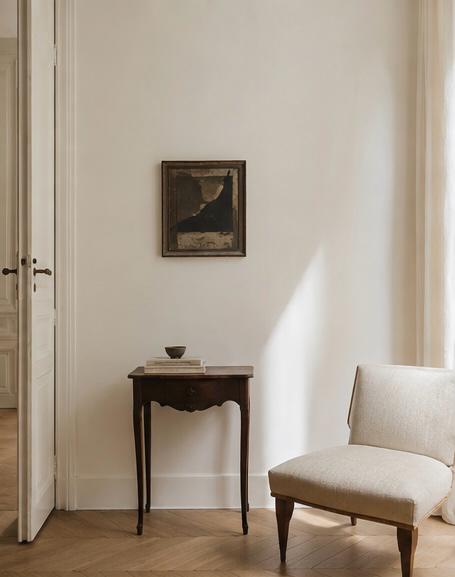
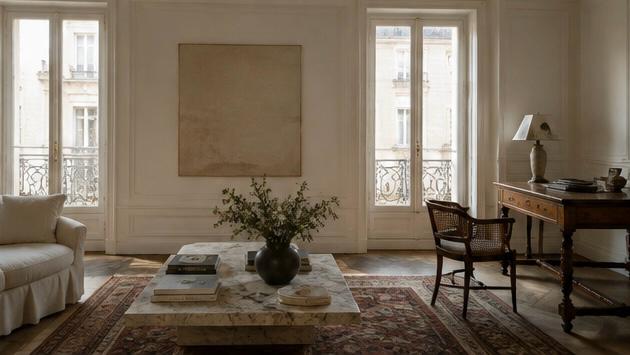
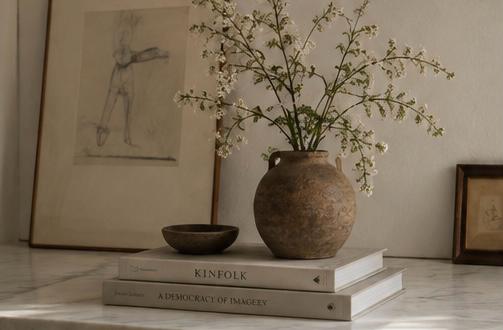
I’ve walked into beautifully decorated homes where every trend had been thoughtfully followed, every cushion perfectly arranged, and every corner filled with something visually pleasing. Yet, despite all of that, the space felt strangely disconnected. Not because it lacked beauty, but because it lacked a sense of purpose. On the other hand, some of the most memorable interiors I’ve experienced have been incredibly restrained. A single painting, a worn timber chair, a ceramic vessel collected while travelling, or a stack of books with obvious signs of being loved. There was nothing excessive about those spaces, yet they carried a quiet confidence that couldn’t be replicated by simply buying more.
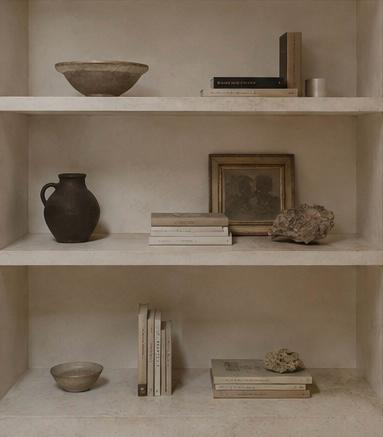
Perhaps that’s why I’ve always thought styling has less to do with adding objects and more to do with editing them. It requires knowing when enough is enough. Sometimes the most thoughtful design decision is removing something rather than introducing another piece. Leaving empty space around an object can be just as intentional as placing something there. It gives the eye somewhere to rest and allows the things that truly matter to be appreciated.
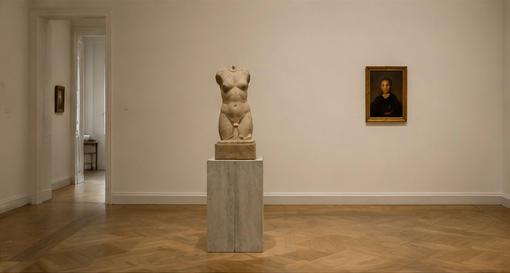
My perspective has also been shaped by spending time in museums and galleries. Museums rarely display everything they own. Instead, they carefully curate what deserves to be seen and consider the relationships between each object. Every piece has a reason for being there, and just as importantly, it has the space to exist without competing for attention. That way of thinking has quietly influenced how I approach interiors. Whether I’m styling a home, a hotel, or a commercial space, I’m interested in creating conversations between objects rather than simply filling empty surfaces.
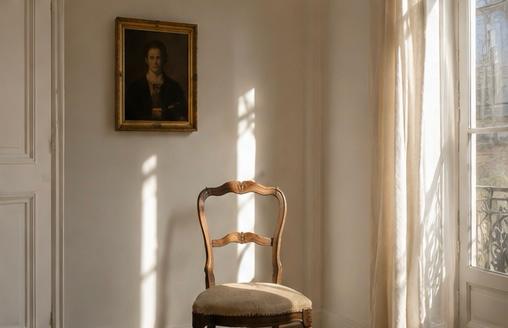
I think styling is often misunderstood because people associate it with aesthetics alone. Of course, creating a beautiful space matters, but beauty is only one part of the equation. Styling is equally about observation. It’s noticing how natural light changes throughout the day, how materials respond to one another, and how people instinctively move through a room. It’s about understanding when an artwork becomes the focal point, when a collection begins to feel cluttered, or when a room needs restraint rather than another decorative object.
One of my favourite things about styling is that, when it’s done well, it almost disappears. People rarely walk into a room and compliment the styling itself. Instead, they say the space feels calm, welcoming, or somehow just right. They may not be able to explain why, but they feel it. To me, that’s what thoughtful styling should achieve. It isn’t about drawing attention to individual objects; it’s about creating an atmosphere where everything feels as though it naturally belongs.
For me, decorating is about making a space look beautiful. Styling is about giving that beauty meaning. It’s the final layer that brings together architecture, furniture, art, light, and the people who inhabit a space. More than anything, it’s an exercise in intention. Because the most memorable interiors aren’t necessarily the ones with the most beautiful objects—they’re the ones where every object feels like it couldn’t possibly belong anywhere else.
I’ve noticed something that happens in almost every project. The furniture is selected, the finishes are approved, the lighting has been installed, and the styling is nearly complete. Then someone says, “We should probably find something for that empty wall.” As though art is the final item on a checklist. I’ve never been able to…